Greenhouse Noise (Part 1)
Like much of Europe, Norway during July means 60% of the office is on vacation. I prefer to work during this period – not only for the focus time, but because it means experiencing an interesting change in the organization; there are different people, a different office culture, different needs and different focuses. It’s the same organization, just in a slightly altered parallel universe; and it happens almost overnight.
This year, the contrast between these two slightly different worlds gave me an opportunity to reflect on organizational noise. Noise is something we all experience. Meetings, priorities, interruptions, changes in process, etc. In a growing company, noise is natural and expected (and sometimes exciting). But what is it? Where does it come from? Is it always bad? When is it bad? How much of it is bad? Of particular interest: how much of it self-inflicted?

As a business, we deliver value in exchange for money. As an organization, we seek to deliver that value as efficiently as possible, while balancing various competing priorities: budget, market changes, tech debt, growth, profitability, competition, executing on vision, etc. Some of these are external inputs, and some of them are internally driven. The organization must balance these priorities and then also execute on them – often at the same time.
A company can react to these various inputs efficiently (e.g. the optimal strategy is taken at all times, and the organization instantly adjusts to changes in input) or inefficiently (the wrong strategy is used, and the organization is slow to react). However, I think efficiency is quite different from noise. An efficient organization can be very noisy (e.g. a startup), and an inefficient one can be totally mundane (e.g. government). Noise instead appears to be some measure of the number of priorities, how the organization is structured to react to them, how successfully it reacts to them, and the frictional cost of changing how it reacts to them. Noise is also not evenly distributed – it depends on where in the structure you sit.
The July 1st demarcation of summer vacation is an interesting time to reflect on this – because while the external inputs don’t change (same customers, same problems, same market), parts of the organizational structure change almost overnight. This would suggest that the poor sods remaining need to make up the difference in workload or be thoroughly swamped. So it seems like a paradox when they’re actually greeted with less noise!
It makes one wonder: if fewer people = less work = less noise, and yet the house isn’t on fire, then how much of our previous work was noise amplifying? That is, during the process of value creation, how much of the noise that we experience is due to actions taken purely internally? How much is lost as “heat” via organizational friction? I’ve started to think of this as “Greenhouse Noise” – an excitation which begins as a response to some external need but whose energy never seems to quite escape back out as value. It just gets captured and rattles around.
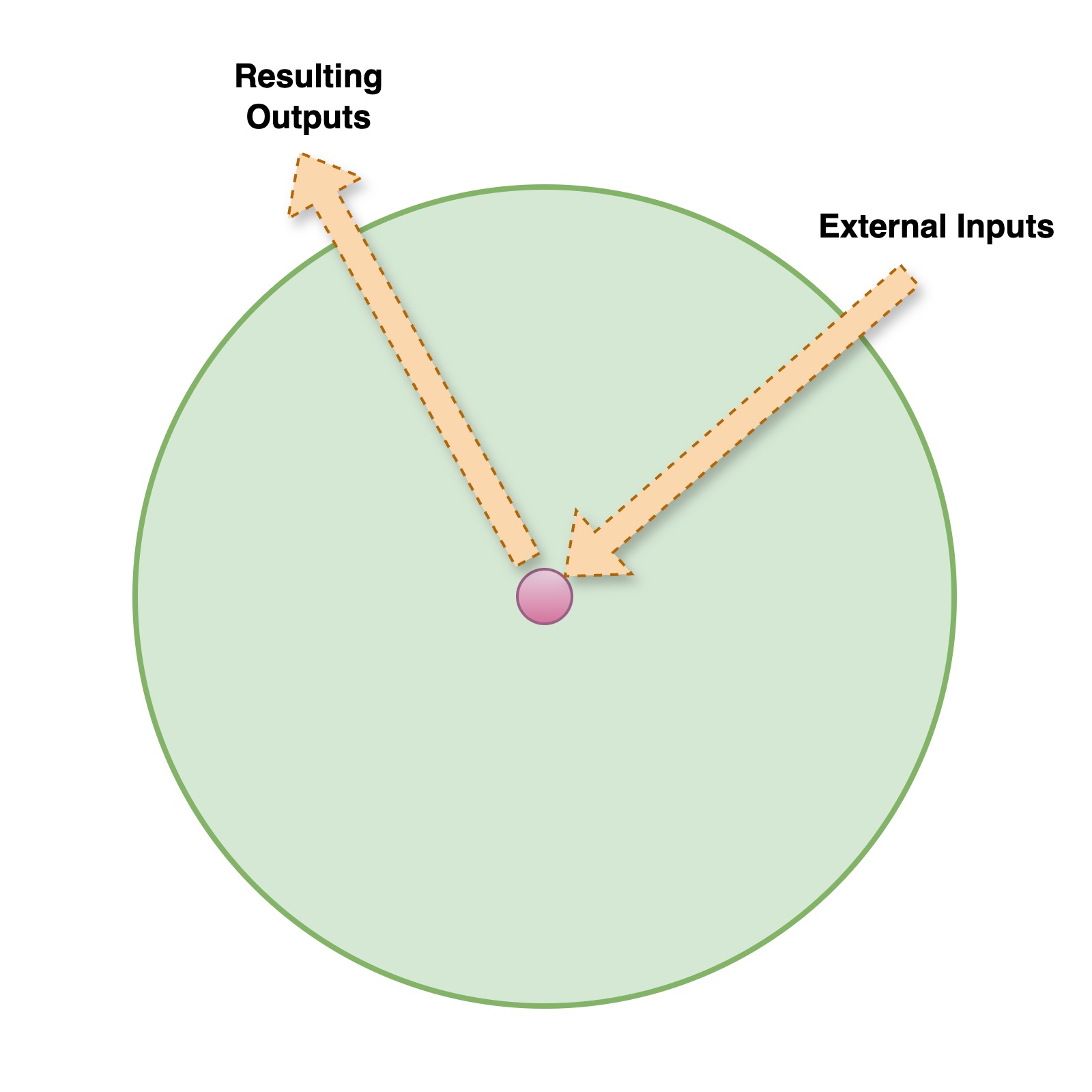
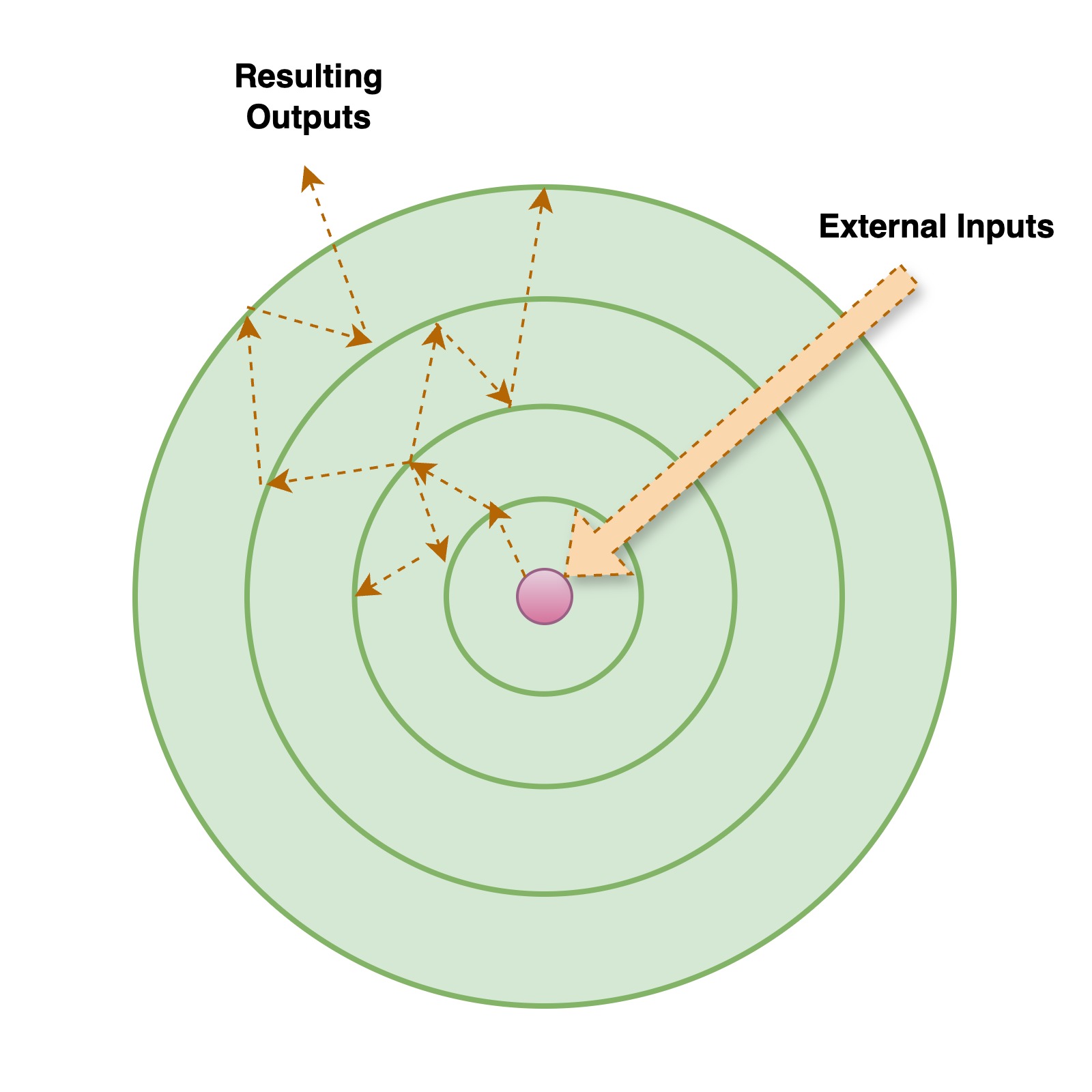
Earlier in this post I contrasted noise vs efficiency – it can be easy to see “high noise” as “inefficient”, but I think that’s wrong. By analogy, a team of special forces might efficiently adapt to a chaotic battlefield; those fresh out of bootcamp might not, and their inability to do so might introduce additional chaos. This is how I think of the greenhouse effect – it’s not necessarily noise itself which creates inefficiency, but the the additional noise which arises as a consequence of the greenhouse effect which contributes.
In the struggle of Value to reach the customer, how many things does it bump into along the way?
Read part 2.